
Lore
Melty Blood: Twi-Lumina story and lore — the Tsukihime setting, Souya City, Kinoko Nasu's new main story, and how the cast of vampires and executors fits the moonlit world.
Introduction
The Lore section explores the world behind Melty Blood: Twi-Lumina: the Tsukihime universe the game inherits, the new story Kinoko Nasu has written for it, and the cast that carries both. The setting is the moonlit side of TYPE-MOON's world — True Ancestors, Dead Apostles, the Church's executors, and the special lineage of the Tohno family — that has defined the series since its visual novel origins. For this entry, the narrative centers on Shiki Tohno and unfolds through Grand Scenario Mode as players traverse Souya City. This hub is organized to respect both kinds of readers: series veterans looking for the new entry's place in the timeline, and fighting game players meeting Tsukihime for the first time who need just enough context to care about the story they are fighting through. Spoiler-sensitive material is labeled before it appears.
Setting Primer
| Concept | In the Series | Role in Twi-Lumina |
|---|---|---|
| True Ancestors | Vampire royalty like Arcueid | Arcueid returns as a headline fighter |
| Church Executors | Hunters like Ciel | Ciel returns among the confirmed cast |
| Tohno Family | Shiki and Akiha's special bloodline | Both siblings confirmed on the roster |
| Souya City | New to this entry | The setting players traverse in the story |
World & Story
The Tsukihime World
The universe the fighting series calls home
Souya City
The stage of the new main story
Kinoko Nasu's Story
The author returns
Factions & Lineages
The power map of the moonlit world
Core Mechanics
Melty Blood's lore operates on a simple structure that repeats across entries: a small cast with deep, interlocking histories is thrown into a confined setting and a short timespan, and the fighting expresses conflicts that dialogue cannot resolve. The Tsukihime framework supplies the pieces — True Ancestors at the apex of vampire society, the Dead Apostle lineage beneath them, the Church's executors hunting both, and rare human lineages like the Tohno family whose abilities blur the boundary. Twi-Lumina adds Souya City as the stage and a new script from Kinoko Nasu that centers Shiki Tohno, following the sub-series tradition of treating each game's story as a genuine narrative event rather than a tournament excuse. Grand Scenario Mode is the delivery vehicle, with the Multiple Endings structure implying branch points where player choices redirect the narrative.
Advantages
Understanding the setting transforms the roster from a list of movesets into a cast with stakes: Ciel's fights carry a hunter's doctrine, Arcueid's carry the loneliness of apex power, and the Tohno siblings carry a family wound — context that makes every character choice more meaningful and every story battle more engaging. Because Kinoko Nasu writes the new story personally, the lore here is canon rather than spinoff material, which matters for players who care that their fighting game belongs to a real narrative universe. This hub also serves as the gentlest possible entry into Tsukihime: it explains exactly the concepts the fighter uses, no more, so a player who reads the primer can follow Grand Scenario Mode comfortably without committing to dozens of hours of visual novels first — though many do, and the setting rewards that depth generously.
Challenges
Pre-release lore coverage is guarded by design, because story details are exactly what the marketing campaign is withholding — plot specifics, the villain, the nature of the branching endings, and even Souya City's place in the timeline are unannounced, and this hub will not spoil-by-speculation what the game intends to reveal. Series-lore dependencies cut the other way: readers with zero Tsukihime background will find that some concepts — the distinction between True Ancestors and Dead Apostles, the Tohno bloodline's significance — only fully click with visual novel context that a wiki primer can summarize but not replicate. Translation adds caution: several terms lack official English renderings for this entry, so the hub uses series-standard forms and flags anything unconfirmed. Expect this section to be the wiki's fastest-growing after launch, once the story is actually playable.
Frequently Asked Questions
Do I need to know Tsukihime to enjoy the story?+
Is the new story canon?+
Will this section spoil the story?+
Quick Tips
Read the Setting Primer before your first Grand Scenario Mode session. Twenty minutes of context about the factions, the Tohno family, and the moonlit world converts every story battle from a random matchup into a confrontation with history, and it costs you almost nothing compared to what it adds. Twenty minutes of context about the factions, the Tohno family, and the moonlit world converts every story battle from a random matchup into a confrontation with history — and it costs you almost nothing compared to how much it adds to the campaign.
If you plan to play Tsukihime -A piece of blue glass moon- eventually, consider doing it before diving into the deep lore articles here. The visual novel recontextualizes half the cast, and experiencing its reveals in the intended order is dramatically stronger than meeting them secondhand through wiki summaries. The visual novel recontextualizes half the cast and their motivations, and experiencing its reveals in the intended order is dramatically stronger than meeting them secondhand through wiki summaries written for people who already finished it.
After launch, avoid story-tagged articles until your own playthrough of Grand Scenario Mode is complete. The spoiler labeling on this wiki is reliable, but broader timeline discussions inevitably reference plot beats — finish the story first at your own pace, then return for the analysis layer. The spoiler labeling on this wiki is reliable, but broader community timeline discussions inevitably reference major plot beats without warning — so finish the story first at your own pace, then return for the analysis layer afterwards.
Featured
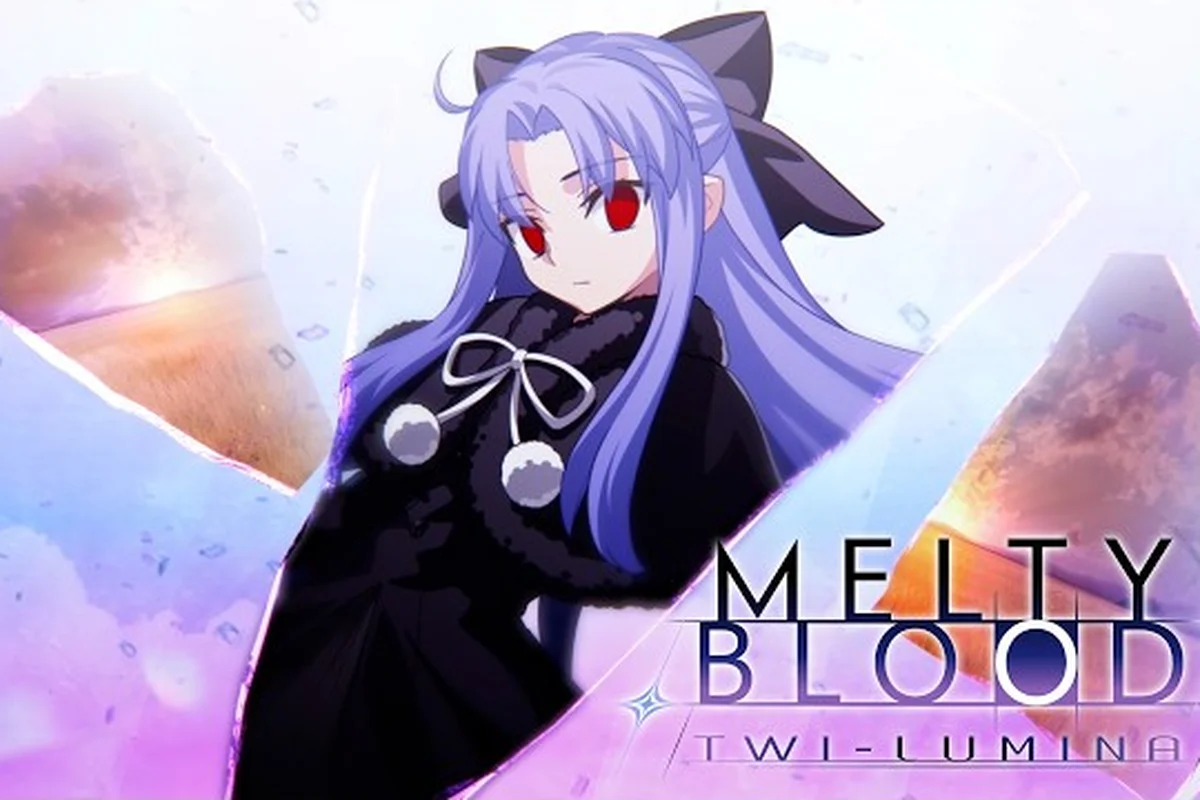
Melty Blood: Twi-Lumina Story: What We Know So Far
Everything confirmed about the Melty Blood: Twi-Lumina story so far: Kinoko Nasu's new plot, Souya City, and the Tsukihime timeline it follows.
Melty Blood: Twi-Lumina Canon Story: Dream Plot Summary & Ending
Unpack the Melty Blood: Twi-Lumina canon story, the dream-driven plot, and how the ending connects vampires and Dead Apostles across routes.
Melty Blood: Twi-Lumina Tsukihime Lore Behind the Game
Brush up on the Tsukihime lore behind Melty Blood: Twi-Lumina: Dead Apostles, the Church, and the moonlit world where the new story unfolds.
All Articles
Melty Blood: Twi-Lumina Project Lumina: World & Adventure Mode
Step into Melty Blood: Twi-Lumina's Project Lumina world guide, from the moonlit setting to the visual novel-style adventure mode story and its key characters.
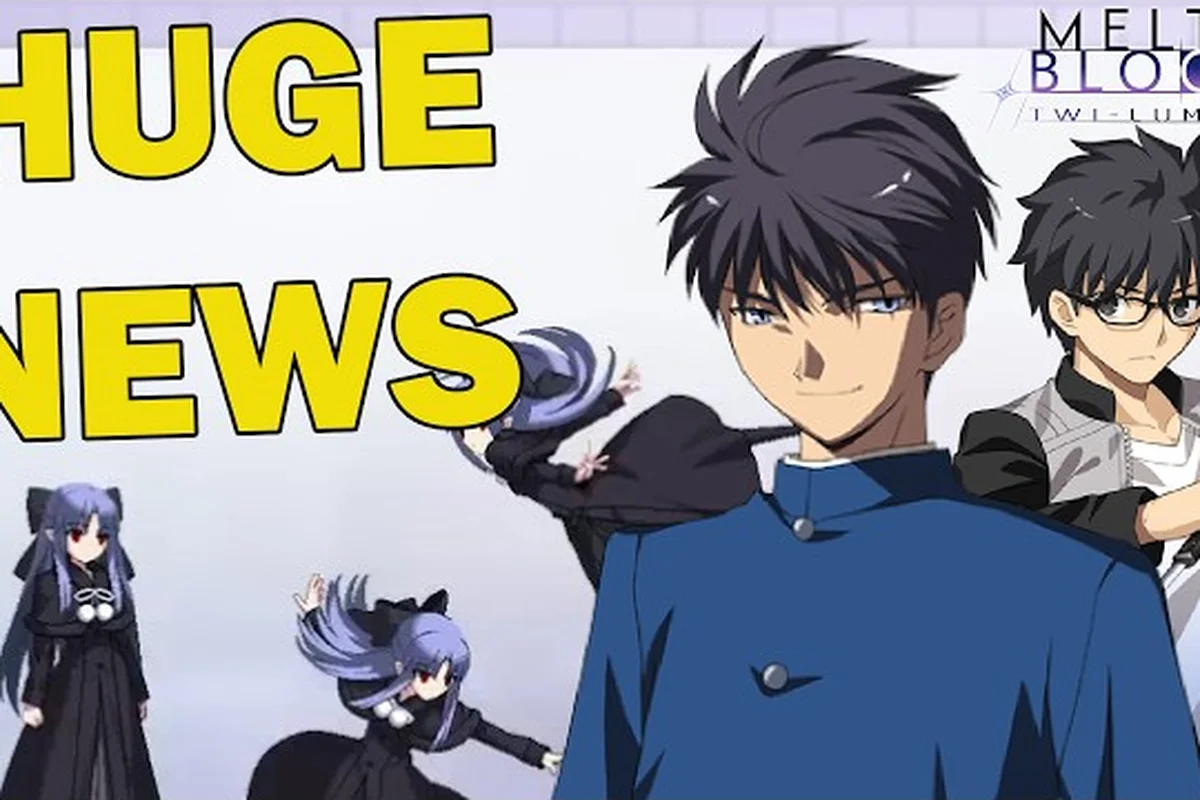
Melty Blood: Twi-Lumina True Ancestors and Dead Apostles
Learn who the True Ancestors are in Melty Blood: Twi-Lumina lore, how Arcueid's bloodline works, and why Dead Apostles hunt the night.
Melty Blood: Twi-Lumina Villain Clues and Theories
Collect every villain clue for Melty Blood: Twi-Lumina: antagonist rumors, series foes who could return, and lore roots worth watching.