
Move Lists
Melty Blood: Twi-Lumina move lists and frame data — numpad notation, startup and recovery frames, block advantage, and every confirmed special and Arc Drive as data arrives.
Introduction
The Move Lists section is the data backbone of this wiki: per-character command listings, frame data, and the notation knowledge required to read them. Standard fighting game practice applies — numpad notation for directions, letters for buttons, and frame counts for startup, active, and recovery phases — and this section maintains the notation cheat sheet that every other section assumes. During the pre-launch window, the hub focuses on what can be responsibly documented: the notation system itself, how frame data concepts work, and what the officially revealed moves tell us so far, including Shiki Tohno's reported space-cutting projectile. When the game ships, each confirmed fighter gains a full move list with startup and recovery counts, block advantage, and damage notes, verified in training mode. Data quality rules apply throughout: measured numbers are labeled as measured, estimates as estimates, and nothing is invented.
Notation Cheat Sheet
| Notation | Meaning | Example Use | Type |
|---|---|---|---|
| 236 + button | Quarter-circle forward | Classic projectile special motion | Direction |
| 623 + button | Dragon-punch (DP) motion | Invincible reversal specials | Direction |
| 5A / 2B / j.C | Neutral / crouch / jump attacks | Starter pokes in every route | Normals |
| Startup / Recovery | Frames before hit / after hit | Reading speed and punish windows | Frame Data |
Data Explained
Numpad Notation
The universal language of inputs
Startup & Recovery
The numbers behind move speed
Advantage on Block
Who acts next after contact
Specials & Supers
The moves that define characters
Core Mechanics
A move list is only as useful as the framework you read it with, so this section teaches the framework before the data. Numpad notation comes first because it compresses every command into a few characters and is shared across the entire fighting game community. Frame concepts come second: every move exists in phases — startup before the hitbox appears, active while it can strike, recovery while you are exposed — and every practical judgment about a move derives from those counts. Advantage on block converts frame counts into turn-taking decisions, telling you whether an attack lets you keep pressing or hands the initiative over. Damage and scaling complete the picture by pricing each hit. When the game launches, this section presents per-character pages in exactly that structure, so the reading skills you build now transfer directly to the real tables.
Advantages
Structured data beats scattered impressions, and this hub is built to be the single place where Twi-Lumina's move information accumulates. The notation cheat sheet alone solves the most common beginner blocker — being unable to read the answers they find — and it stays useful forever because notation does not change between patches. The per-move framework (startup, active, recovery, advantage) means that when full data lands, every character page is immediately comparable: you can answer questions like whose fastest normal wins or which reversal is actually safe by reading one row instead of watching hours of footage. For lab-oriented players, the section's labeling discipline — measured versus estimated versus pending — tells you exactly which numbers can be trusted for tight execution planning and which need training-mode verification first.
Challenges
The hard limit of this section today is that a move list without a game contains no real data: every specific count, cost, and property for Twi-Lumina moves is pending until the game ships and training mode measurement becomes possible. The officially revealed information is thin by design — a few moves shown in trailers and broadcasts, with Shiki's space-cutting projectile reported by a single press source and flagged accordingly. Frame data itself is a living document even after launch, because balance patches adjust counts and the community needs weeks to measure and verify everything. Readers should also expect button letter assignments for this entry to be finalized at release. Until then, this hub deliberately trades completeness for accuracy, and its placeholder structure exists precisely to be filled fast once real numbers exist.
Frequently Asked Questions
What do numbers like 236 or 623 mean?+
When will full frame data be available?+
Why does frame data matter for casual players?+
Quick Tips
Master the foundational numpad notation conventions early on, specifically 236 for quarter-circle forward, 623 for dragon punch motions, and 214 for reverse inputs, alongside standard A, B, C, and Shield buttons. Once these numerical directional inputs become second nature, you can seamlessly read every combo trial, command list, and community frame data sheet across the entire Melty Blood series without hesitation.
When comprehensive frame data tables become available post-launch, prioritize studying block advantage over raw maximum damage values. Understanding which attacks leave you safe or plus on block determines your pressure flow, stagger timing, and defensive turn-taking. Maximizing combo damage means nothing if your offensive strings are consistently interrupted or punished because you do not know whose turn it actually is.
Always verify special moves, frame traps, and combo conversions in Training Mode against various hurtbox sizes before bringing them into ranked matches. Theoretical frame data charts serve as a helpful baseline, but spacing differences, character collision sizes, and input latency under online delay can alter execution windows. Ten dedicated minutes confirming muscle memory against dummy recordings prevents frustrating losing streaks.
Featured

Melty Blood: Twi-Lumina Arc Drive List: Inputs and Costs
Collect the Melty Blood: Twi-Lumina Arc Drive list with expected inputs, gauge costs, and damage roles for every confirmed fighter's super.
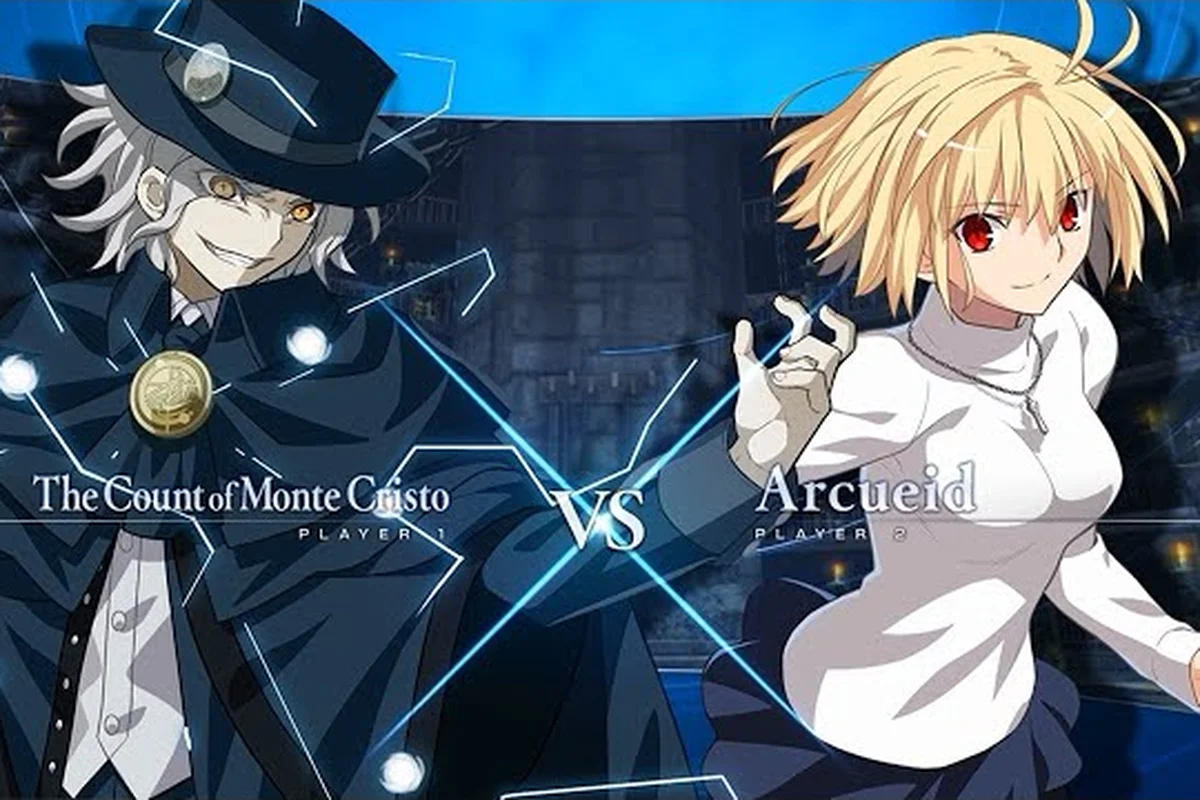
Melty Blood: Twi-Lumina Arcueid Move List: Her Kit at a Glance
Track the Melty Blood: Twi-Lumina Arcueid move list as it is revealed: normals, specials, Arc Drive options, and inputs worth drilling first.

Melty Blood: Twi-Lumina Move List: Numpad Notation & Input Guide
Explore the Melty Blood: Twi-Lumina move list with numpad notation, command inputs, and Shiki Tohno's full normal-and-special breakdown for frame data study.
All Articles

Melty Blood: Twi-Lumina Anti-Air Moves Worth Learning
Pick the Melty Blood: Twi-Lumina anti-air moves worth learning first: reach, invincibility frames, and rewards for beating jump-heavy rivals.

Melty Blood: Twi-Lumina Move Changes From Type Lumina
Review expected Melty Blood: Twi-Lumina move changes from Type Lumina, including new projectiles, simple inputs, and command tweaks that reshape matchups.

Melty Blood: Twi-Lumina Frame Traps: Gap Math and Punish Windows
Set Melty Blood: Twi-Lumina frame traps that work: gap math, stagger pressure, and punish windows to catch mashing opponents.