
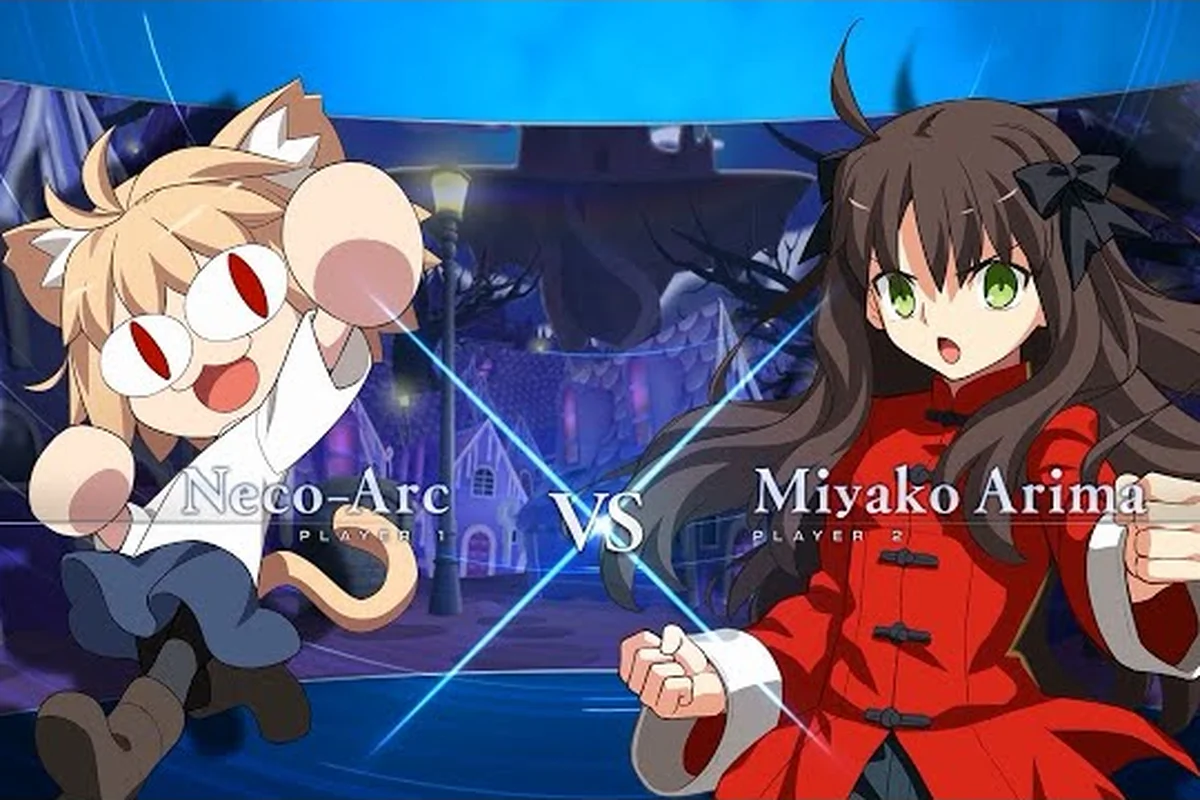
If you spent serious time learning the Type Lumina version of Melty Blood, the Twi-Lumina reveal probably feels equal parts exciting and unsettling. The new entry, releasing April 22, 2027 per a Operation Rainfall report, keeps the core cast while reshaping the movelist of every returning fighter. According to the same September 11, 2026 coverage, White Len joins the roster as a fresh face, and the developer is rebuilding how specials, normals, and command inputs behave at a system level. The TYPE-MOON Wiki's Twi-Lumina page also notes that Kinoko Nasu is writing a new Grand Scenario Mode, signaling that the underlying battle system is being retooled, not merely reskinned.
This article walks through the confirmed and expected Melty Blood: Twi-Lumina move changes from Type Lumina. The goal is to help you figure out which old habits to unlearn, which normals still work, and where the new design space opens up. If you want the full command list alongside these notes, the Melty Blood: Twi-Lumina move list covers numpad notation, frame data conventions, and the new input buffer.
Shiki Tohno and the New Space Cutting Projectile
Shiki Tohno's toolkit is where most of the headline Melty Blood: Twi-Lumina move changes from Type Lumina live. According to Saiga NAK's August 2026 information roundup, Shiki gains a projectile attack in Twi-Lumina that he did not have in Type Lumina, and a new normal appears to slice along the space between the two fighters rather than across the opponent directly. The community has been informally calling this the "space cutting" addition because the hitbox rides a planar line that fills gaps where Type Lumina had no coverage.
The practical impact is large. In Type Lumina, Shiki was a mid-range footsies character who had to walk in, dash in, or use his 214-series specials to approach. With a projectile in Twi-Lumina, the matchup math changes against characters like Arcueid and Akiha who previously bullied him at full screen. Based on community data shared during the Tokyo Game Show 2026 demo, the projectile has a noticeable recovery on whiff, so it functions as a conditioning tool rather than a true keep-away option, but it lets Shiki contest ranges he could not reach before.
What changes for his pressure game
His close-range pressure does not collapse under the new projectile, but the rhythm of his blockstrings does shift. The space cutting normal lets him threaten a gap that previously forced a throw or a micro-walk mixup. Players who labbed the Melty Blood: Twi-Lumina Arc Drive list during the demo build reported that the new normal chains into his existing 2A and 2B pressure routes, which means old combo structure survives even when the neutral game changes.
Old habits to unlearn
If you have muscle memory for Shiki's Type Lumina 5C as a long-range poke, treat it as legacy knowledge. The new projectile is faster on startup than his 5C travels, and it covers a different angle. The recommended approach during the demo, based on community testing, is to use 5C as a mid-range anti-air or whiff-punish tool and let the new projectile do the full-screen calling.
| Tool | Range | Best use in Twi-Lumina | Type Lumina equivalent |
|---|---|---|---|
| New projectile (space cutting) | Full screen | Condition opponent, then dash in | None — did not exist |
| 5C | Mid range | Anti-air and whiff punish | Long-range poke |
| 2A / 2B | Close range | Standard pressure starters | Same as Type Lumina |
| 214-series specials | Variable | Combo enders, anti-zoning | Combo enders, anti-zoning |
Input Buffer and Simple Input Specials
The biggest system-level Melty Blood: Twi-Lumina move changes from Type Lumina show up in the input layer. Saiga NAK and several demo reports describe a rebuilt input buffer that is more forgiving on consecutive specials and on certain quarter-circle reversals. The developer is also pushing simple input specials, a one-button or simplified direction-plus-button version of standard command motions, so new players can execute a 236 special without a clean stick pivot.
This is a deliberate design choice, not a glitch. Because Twi-Lumina targets both veterans and a fresh audience, the new Melty Blood input buffer system lets casual players trigger a hadouken-style move with 6P or a forward-and-button input, while veterans still get full motion precision if they want it. The system detects the simplest valid input in the buffer window and commits to that special, which means light taps and stick flicks no longer drop.
What this means for combos
Combos that previously required an extremely tight 236 into 214 cancel become more lenient because the buffer holds the last directional input longer. If you labbed the Melty Blood: Twi-Lumina advanced guide, you will see that the cancel windows for 623 "dragon punch" motions and 632146 "super" motions are also widened, so the failure cases are different from Type Lumina.
| Input style | Type Lumina behavior | Twi-Lumina behavior |
|---|---|---|
| Clean 236P | Standard hadouken | Standard hadouken |
| Simple input (6P) | Did not exist | Triggers hadouken |
| Dash 214K after 236P | Tight cancel window | Forgiving cancel window |
| 632146 super | Very strict | Lenient, but less damage on simple input |
When simple input costs you
Simple input specials do not always produce the same move. For most characters, simple input routes to the light or medium version of the special rather than the EX version, and the damage scaling is slightly worse on simple input routes. Veterans who want full damage on a punish combo will still need the motion input, which keeps the skill ceiling intact.
Command Input Specials and Lumina Gauge Spending
The Lumina gauge, the star-like resource under the health bar that Saiga NAK described in the August 2026 roundup, feeds the new Gauntlet technique. Gauntlet is the headline example of a command input special that still expects precision even as the rest of the system relaxes. Because Gauntlet consumes Lumina gauge on top of a full 632146 or 720 input, players have to commit both the right motion and the right meter budget at the right time.
For the Melty Blood: Twi-Lumina move changes from Type Lumina, the old "save Lumina for one big super" play pattern does not survive. Gauntlet can be used multiple times per round if you manage the gauge, which means command input specials are no longer once-a-match set pieces. They are recurring tools.
Shiki Tohno's Gauntlet interaction
Community data from the TGS 2026 build suggests Shiki's Gauntlet route is the most-discussed example because his projectile game changes the math. A common sequence reported by demo players is to fire the new projectile, dash behind it, then cancel into Gauntlet when the opponent tries to jump or shield. This route did not exist in Type Lumina because the projectile did not exist, and the cancel did not exist.
| Special | Input | Meter cost | Typical use |
|---|---|---|---|
| Gauntlet | 632146 + 2 buttons | 1 Lumina bar | High damage punish, combo ender |
| EX special | Motion + 2P or 2K | 50% Lumina | Mid-combo damage buff |
| New projectile | 236P (or simple input) | None | Neutral, conditioning |
| Old 214K | 214K | None | Low-profile approach |
Returning Cast Versus Newcomers
The Melty Blood: Twi-Lumina move changes from Type Lumina are not uniform across the roster. According to the July 2026 Operation Rainfall coverage of voice actors, the visual side of the cast is being upgraded, and that is a signal that normals and command moves are also being retuned to match the new look. If you are curious which fighters are returning, the Melty Blood: Twi-Lumina Type Lumina cast overview tracks the confirmed lineup.
White Len, the new playable character revealed on September 11, 2026, is the first character built natively for the Twi-Lumina system, so her movelist is the cleanest reference for how the new design works. Older characters are being re-fitted, which is why Shiki's projectile is "new" rather than a Type Lumina move returning with new properties.
How this changes matchup prep
Players who relied on specific Type Lumina knowledge, such as knowing that a certain character's 5B is minus on block and therefore punishable, will need to re-verify those numbers in Twi-Lumina. According to the r/Fighters discussion thread on the release date announcement, several labbers have already started logging new blockstring punishes because the plus or minus frames on the same normal name have shifted.
| Character group | Type Lumina status | Twi-Lumina status | Lab priority |
|---|---|---|---|
| Shiki, Arcueid, Akiha | Veterans, retuned normals | New projectile tools added | High |
| White Len | Did not exist | New native character | Medium — learn from scratch |
| Other returning cast | Veterans, retuned | Updated visuals, likely movelist shifts | Medium |
| Potential DLC fighters | TBD | Announced post-launch | Low until reveal |
Practical Lab Plan for Returning Players
If you want a structured way to retrain before launch, here is a four-step routine that mirrors what demo players reported using during the TGS 2026 build.
-
Re-learn the input buffer first. Spend a session in training mode confirming that your old dash-special-special combos still work, then explore simple input routes. According to the TYPE-MOON Wiki entry on Twi-Lumina, the buffer window is wider, so combos that used to fail on a sloppy quarter-circle should now connect, but you have to actually try them.
-
Test the new projectile ranges. For each character who gains a projectile in Twi-Lumina, log the startup frames, the recovery on whiff, and the on-block frame advantage. These three numbers decide whether the projectile is a real keep-away tool or just a screen-control tool.
-
Audit command input specials for Lumina cost. Each character with Gauntlet access has a different Lumina cost and a different reward. Build a small table for your main and two secondary characters so you know when to spend and when to bank the gauge.
-
Pressure test your bread and butter. Run your best Type Lumina blockstring in training mode, then note where it breaks. The most common break point reported by community testers is the second cancel window, where the new buffer helps but the new damage scaling hurts.
| Lab day | Focus | Expected output |
|---|---|---|
| Day 1 | Input buffer + simple input specials | Confirmed combo routes for your main |
| Day 2 | New projectile ranges | Punish or blockstring update notes |
| Day 3 | Lumina gauge management | Gauge spending cheat sheet |
| Day 4 | Pressure audits | Updated bread and butter for Twi-Lumina |
Frequently Asked Questions
What are the biggest Melty Blood: Twi-Lumina move changes from Type Lumina?
The biggest changes are the new projectile for Shiki Tohno, the rebuilt input buffer that allows simple input specials, and the Lumina-driven Gauntlet technique. Together they reshape neutral game, combo routing, and meter management across the entire roster, not just one character.
Do Melty Blood: Twi-Lumina simple input specials replace command input specials entirely?
No. Simple input routes produce the light or medium version of a special and carry slightly worse damage scaling, while the full motion input still grants access to the EX version and the maximum damage route. Veterans who want optimal combos still need to learn the motions.
How does the Melty Blood: Twi-Lumina input buffer change combo difficulty?
The buffer holds directional input longer and widens cancel windows between specials, so sloppy quarter-circle and half-circle inputs are less likely to drop. It does not make every input valid, so motion precision still matters for high-damage confirms and for Gauntlet.
Will my Type Lumina frame data notes still apply in Twi-Lumina?
Not entirely. Returning characters have been retuned to match the new visual update and the new system, so the plus or minus frames on the same normal name can shift by a few frames. The recommended practice is to re-verify your key punish windows in the training mode before the April 22, 2027 release.
Is White Len's movelist the cleanest reference for Twi-Lumina design?
Yes, because she is the first character built natively for the Twi-Lumina system rather than re-fitted from Type Lumina. Studying her normals, command input specials, and Gauntlet interactions gives the clearest picture of the design intent, which you can then map back onto the returning cast.