
Modes
Melty Blood: Twi-Lumina game modes — the Kinoko Nasu-written Grand Scenario Mode, online PvP, shared and split-screen local battles, and the practice tools for labbing efficiently.
Introduction
The Modes section covers every way Melty Blood: Twi-Lumina can be played, from the story-driven single-player campaign to the competitive online ladder. The headline offering is Grand Scenario Mode — a new main story written by Kinoko Nasu in which players traverse Souya City and battle various characters as the plot advances, with the Steam listing's Multiple Endings tag pointing to branching outcomes. Around it sit the multiplayer pillars: online PvP with ranked and casual play, shared-screen and split-screen local battles for couch competition, and the series-standard training tools that this community relies on. The two control schemes — Act and Duel — cut across every mode as a foundation choice. Each article here explains what a mode offers, who it suits, and how its details are confirmed, keeping the pre-launch picture honest while preparing you for launch day.
Mode Overview
| Mode | Players | What You Do | Confirmed |
|---|---|---|---|
| Grand Scenario Mode | Single-player | Advance through Souya City battling the cast | Yes |
| Online PvP | 2 online | Ranked and casual netplay matches | Yes |
| Local Versus | 2 local | Shared and split-screen couch battles | Yes |
| Training Mode | Single-player | Lab combos, setups, and defense | Series standard |
Mode Deep Dives
Grand Scenario Mode
The Nasu-written main story campaign
Online PvP
Ranked and casual netplay
Local Versus
Couch battles on one screen
Training Mode
The lab where improvement happens
Core Mechanics
Understanding the mode lineup is mostly about knowing which loop you are optimizing. Grand Scenario Mode is a consumption loop — you experience a written story, with battles as gating challenges, so the efficient approach is enjoying the narrative rather than grinding it. Online PvP is an improvement loop: ranked ladders and leaderboards convert practice into measurable progress, and the community's matchmaking habits shape where real competition lives. Local versus is a social loop — shared and split-screen play trades netcode concerns for the couch, and remains the fastest way to introduce a friend to the game. Training mode underwrites all three as the practice loop where theories from the Combos and Mechanics sections get tested. The Act and Duel choice threads through every loop, because your control scheme shapes what execution means everywhere.
Advantages
This lineup's breadth is genuinely welcoming: a player who never touches online can still consume hours of Nasu-written story with multiple endings, while a competitive player has ranked, leaderboards, and achievements to chase from day one. The couch options — shared and split-screen — make the game a genuinely social purchase in a genre that often neglects local play, and Act mode's one-button specials mean a newcomer can share that couch without a lopsided experience. For the community, training tools being series-standard means the wiki's lab-focused guides work from launch. The mode structure also gives every kind of player a clear next step: story players graduate into mechanics curiosity, competitive players use training intentionally, and the Modes hub maps each path so nobody wastes hours in the wrong loop for their goals.
Challenges
The pre-launch picture has real gaps that official silence currently cannot fill. Netcode specifics — rollback confirmation, crossplay support, lobby design — are unannounced, and for an online fighting game those details materially affect the experience, so this hub deliberately refuses to promise them. Story mode depth is similarly unquantified: the Multiple Endings tag confirms branching, but route count, playtime, and replay structure are unknown until release or direct coverage. Platform parity is another open question, including whether features differ between consoles and PC. Finally, population risk is real for any community-driven fighter — the Melty Blood scene is famously organized around its own channels rather than massive built-in populations, which affects matchmaking expectations, especially months after launch. All of these are tracked, not guessed at.
Frequently Asked Questions
What is Grand Scenario Mode?+
Does Twi-Lumina have online ranked play?+
Can two players fight on the same console?+
Quick Tips
Save Grand Scenario Mode for evenings when you can actually enjoy the story — it is the writer showpiece of the package. Rushing the campaign to unlock things works against yourself if multiple endings are the real content, and fighting games reward players who know why the cast fights. Rushing the campaign to unlock things works against yourself if multiple endings are the real content, and fighting games reward players who know why the cast fights — so give the writer showpiece the evening it deserves.
For online play, bookmark the community hubs alongside the in-game ranked ladder from day one. The Melty Blood scene has always organized matches, coaching, and events through its own channels, and that is reliably where the strongest opponents and the fastest improvement live. The Melty Blood scene has always organized matches, coaching, and events through its own channels rather than waiting on built-in populations, and that is reliably where the strongest opponents and the fastest improvement live.
Introduce friends with Act mode on a shared couch before you ever suggest they try ranked. Local versus with one-button specials is the genre best recruitment tool — it produces genuinely close sets within minutes and gives brand-new players a concrete reason to learn everything else. Local versus with one-button specials is the genre best recruitment tool — it produces genuinely close sets within minutes, gives brand-new players a concrete reason to learn everything else, and requires nothing but a second controller.
Featured
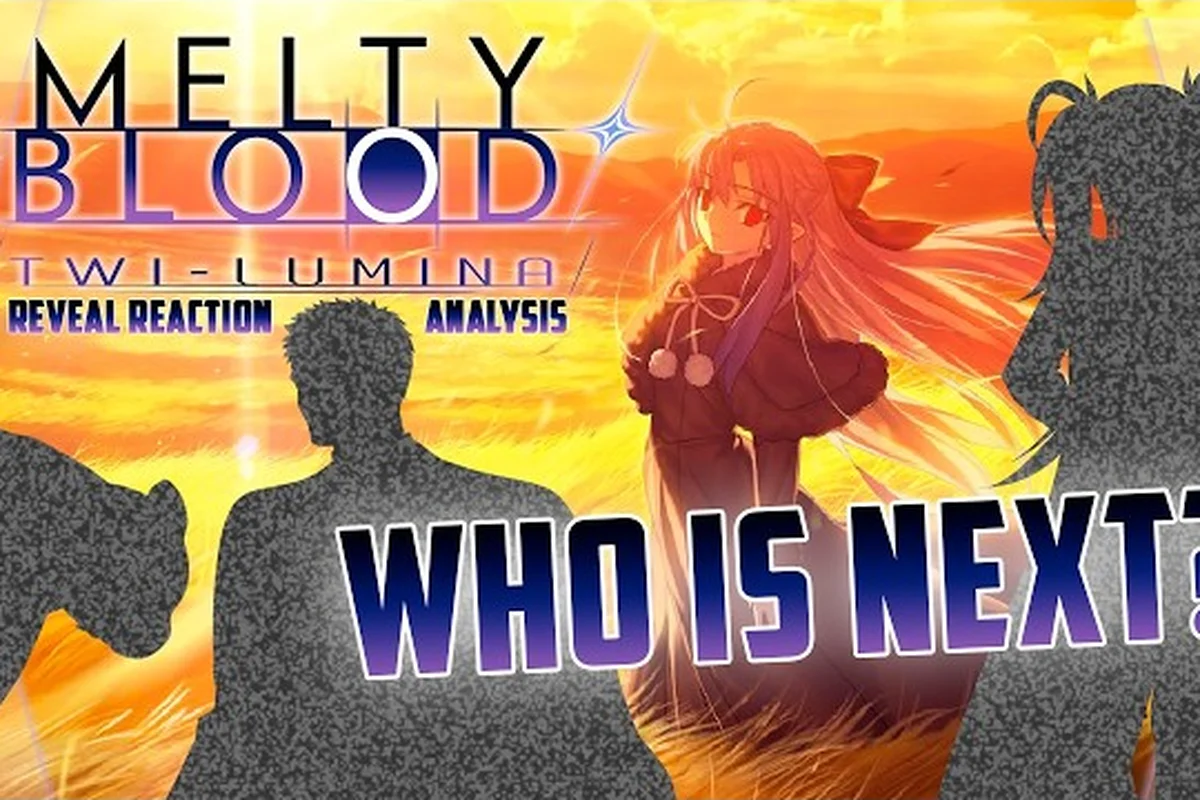
Melty Blood: Twi-Lumina Game Modes: What to Play First
Tour all Melty Blood: Twi-Lumina game modes, from Grand Scenario story battles to ranked netplay, and decide what to play on launch night.
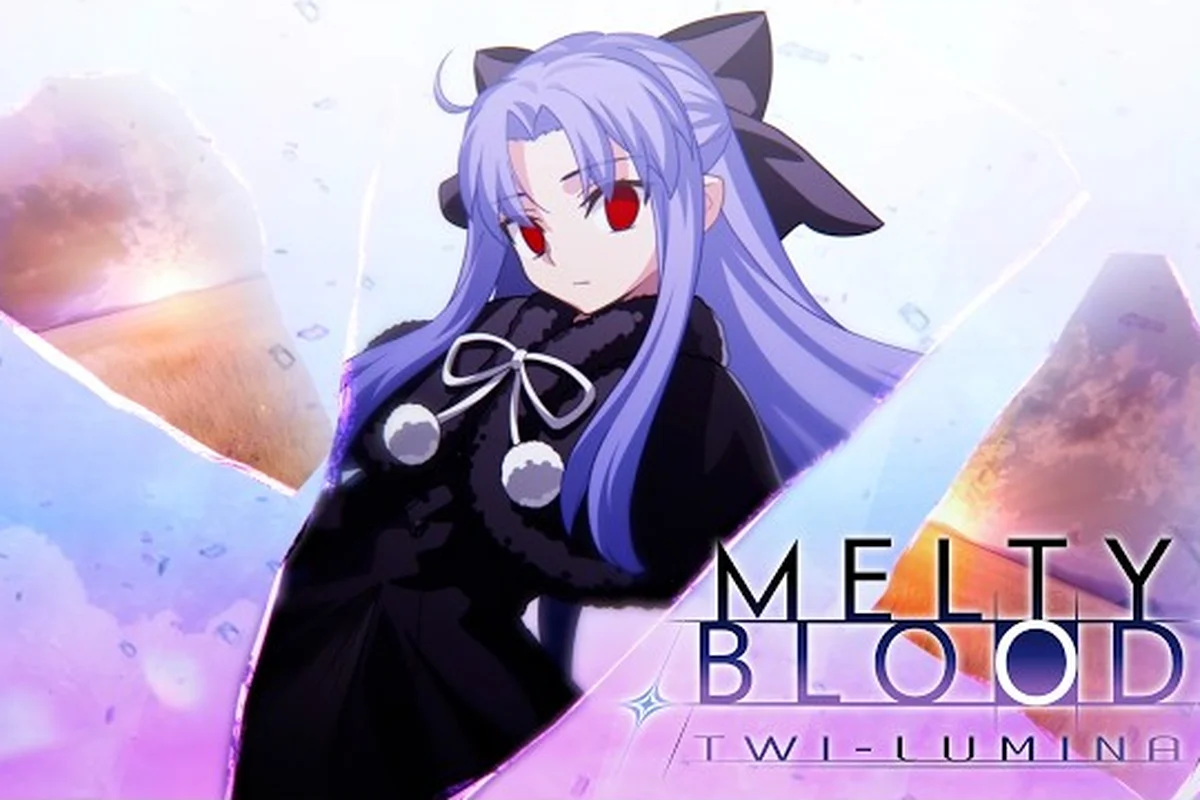
Melty Blood: Twi-Lumina How Long Is the Story: Routes & Endings
Find out Melty Blood: Twi-Lumina how long is the story by mode, how many endings each route unlocks, and the act mode choices that branch your playthrough.
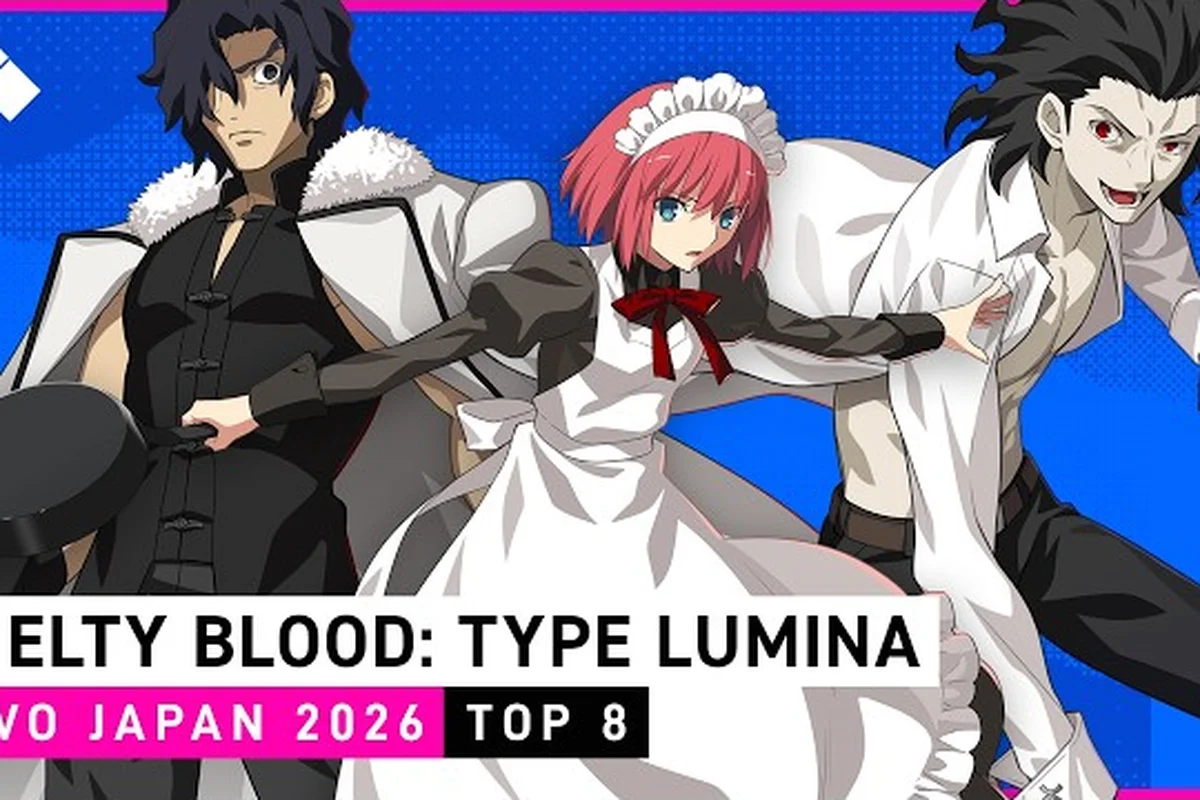
Melty Blood: Twi-Lumina Ranked Mode: Lobbies, Casuals & Practice
Climb Melty Blood: Twi-Lumina ranked mode with tips on lobby setup, casual warmups, training room practice tools, and local versus matches for sharp sessions.
All Articles
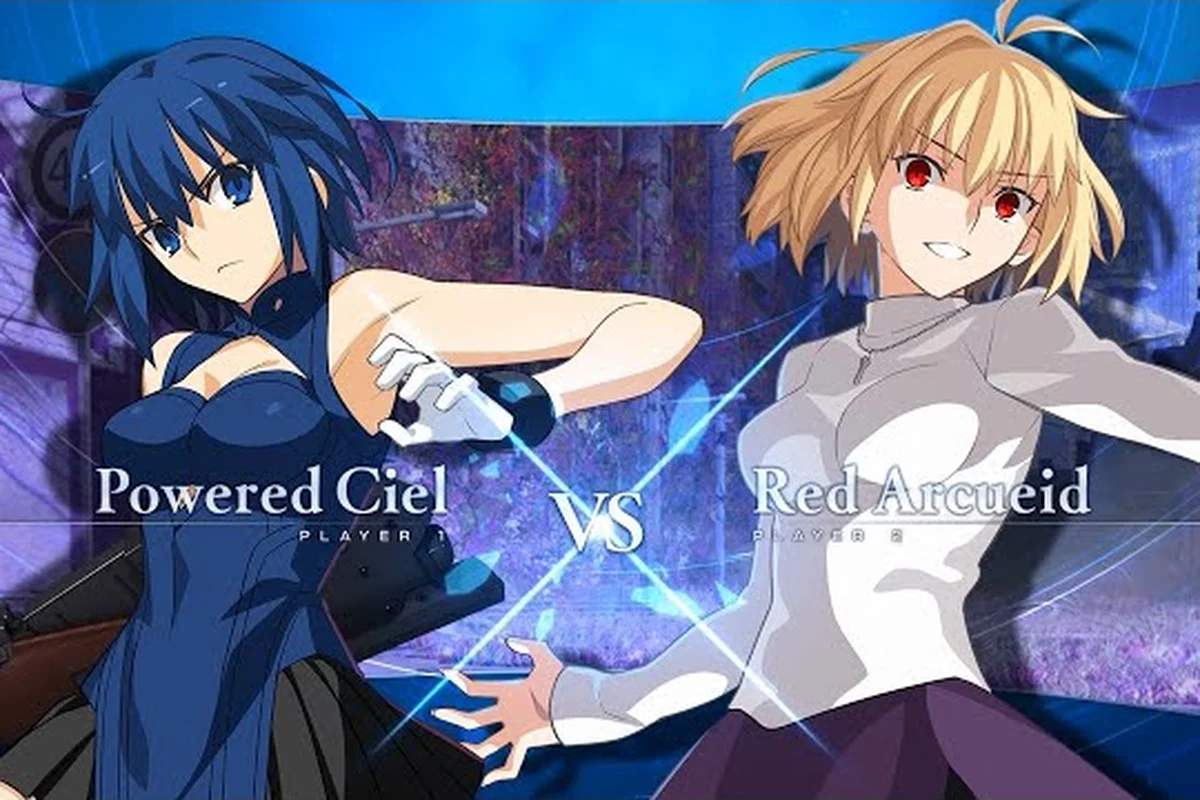
Melty Blood: Twi-Lumina Boss Battles and Bonus Fights
Anticipate Melty Blood: Twi-Lumina boss battles: expected difficulty spikes, hidden fight traditions from the series, and reward structure.
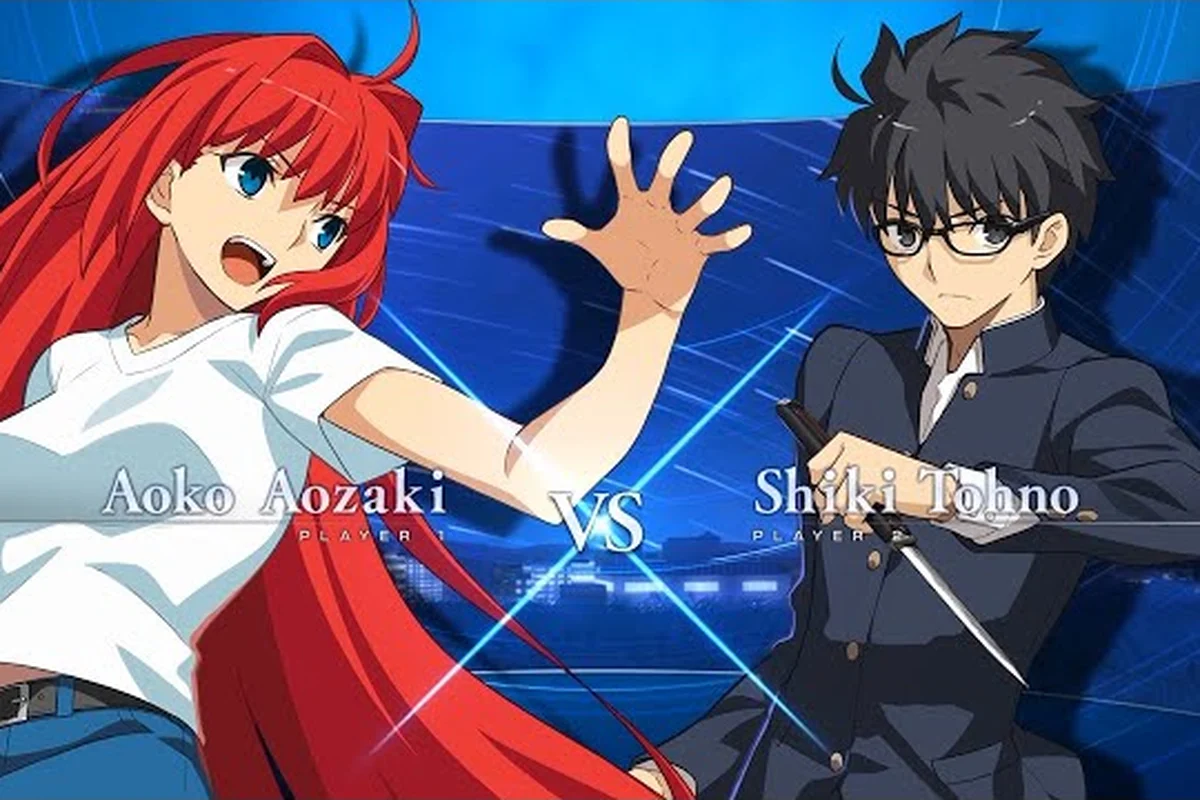
Melty Blood: Twi-Lumina Split Screen: Local Versus & Achievements
Set up Melty Blood: Twi-Lumina split screen for local versus, track Steam achievements, and explore every offline mode and single player unlockable.
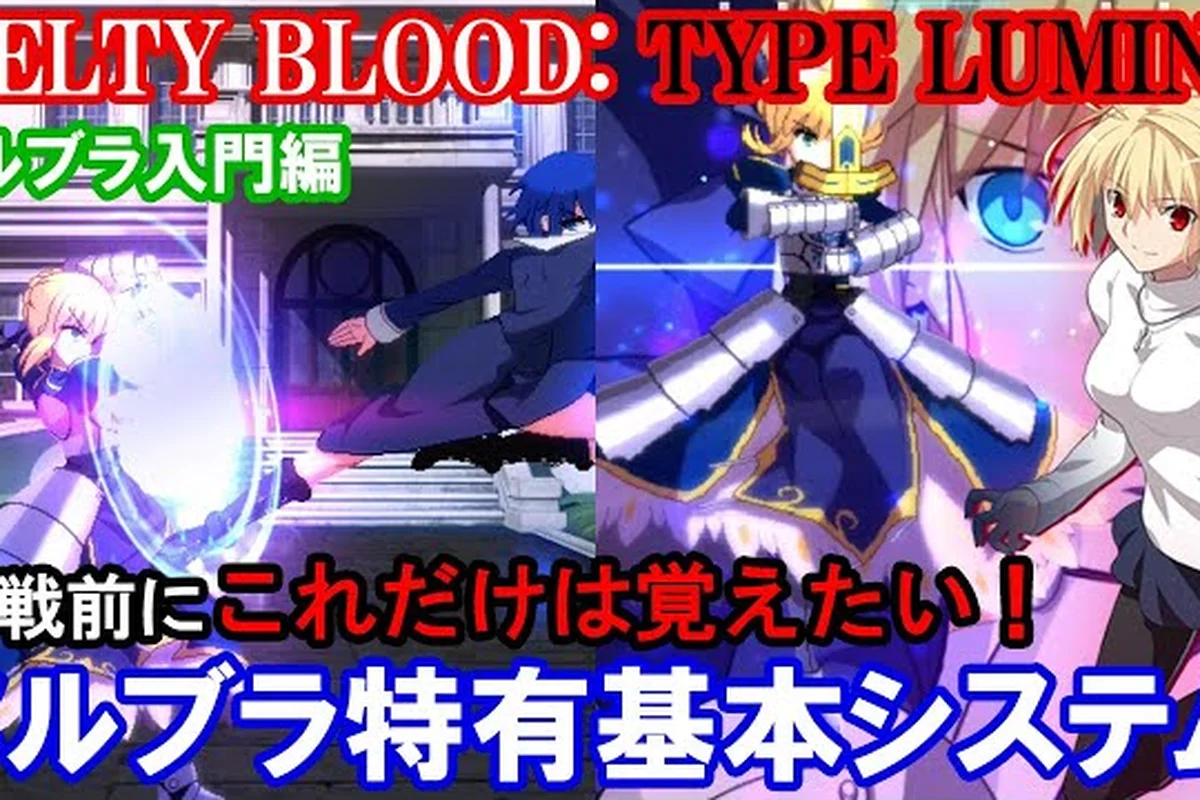
Melty Blood: Twi-Lumina Act vs Duel: Which Mode to Pick First
Weigh Melty Blood: Twi-Lumina Act vs Duel across rollback netcode, crossplay support, online PvP quality, and which mode suits solo or competitive players.